Frozen Chicken Bag Case Loading
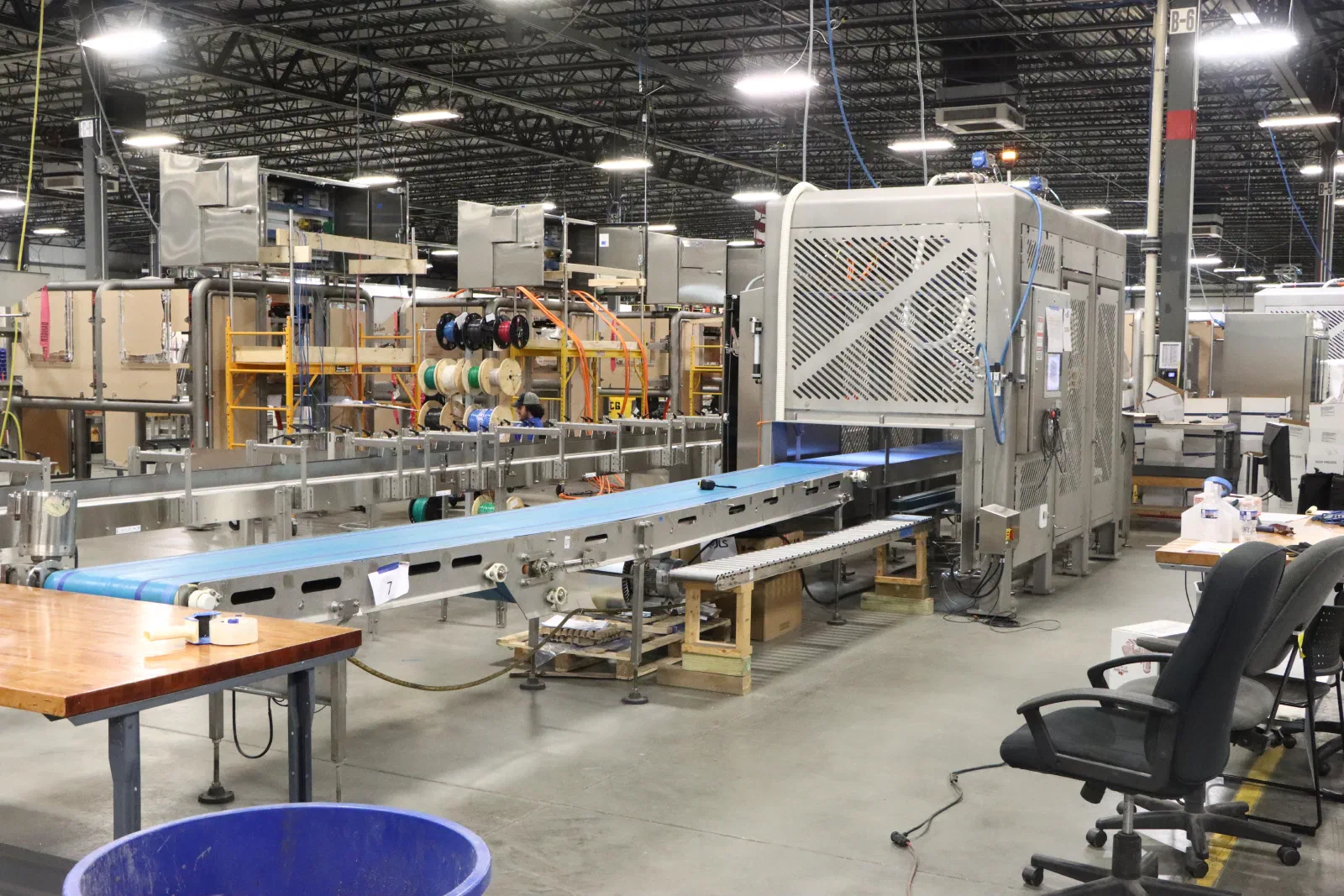
Two dual-head robotic cells packing about twenty bag recipes into cases, with a shared vacuum system built for the whole line.
- Employer
- JLS Automation
- Role
- Systems Engineer
- Industry
- Frozen meat
- Period
- Sep 2022 to Oct 2022
- Scale
- Two dual-head robotic cells (4 robots total) case-packing roughly 20 bag recipes at up to 20 cases per minute per line
Four robots, twenty recipes
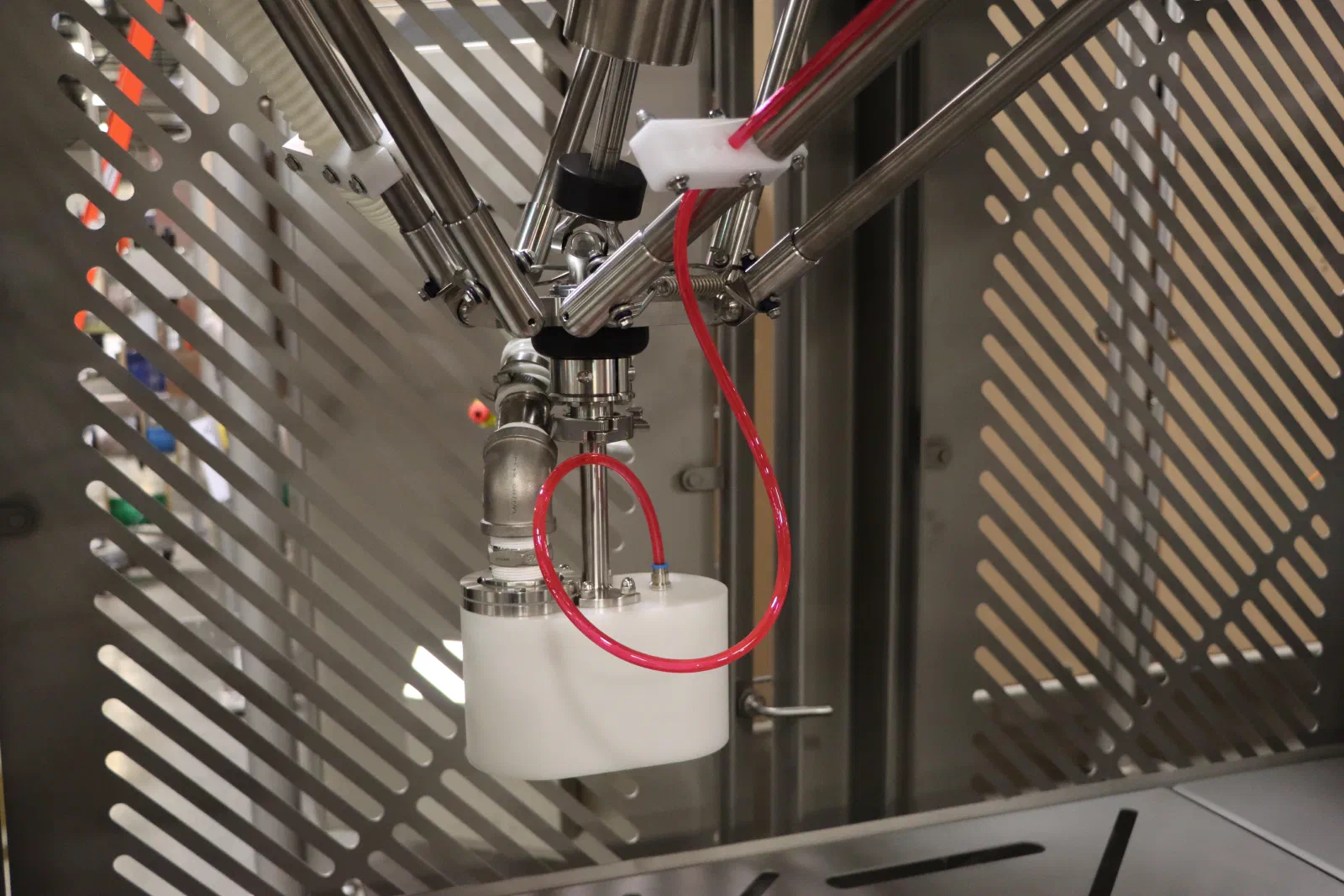
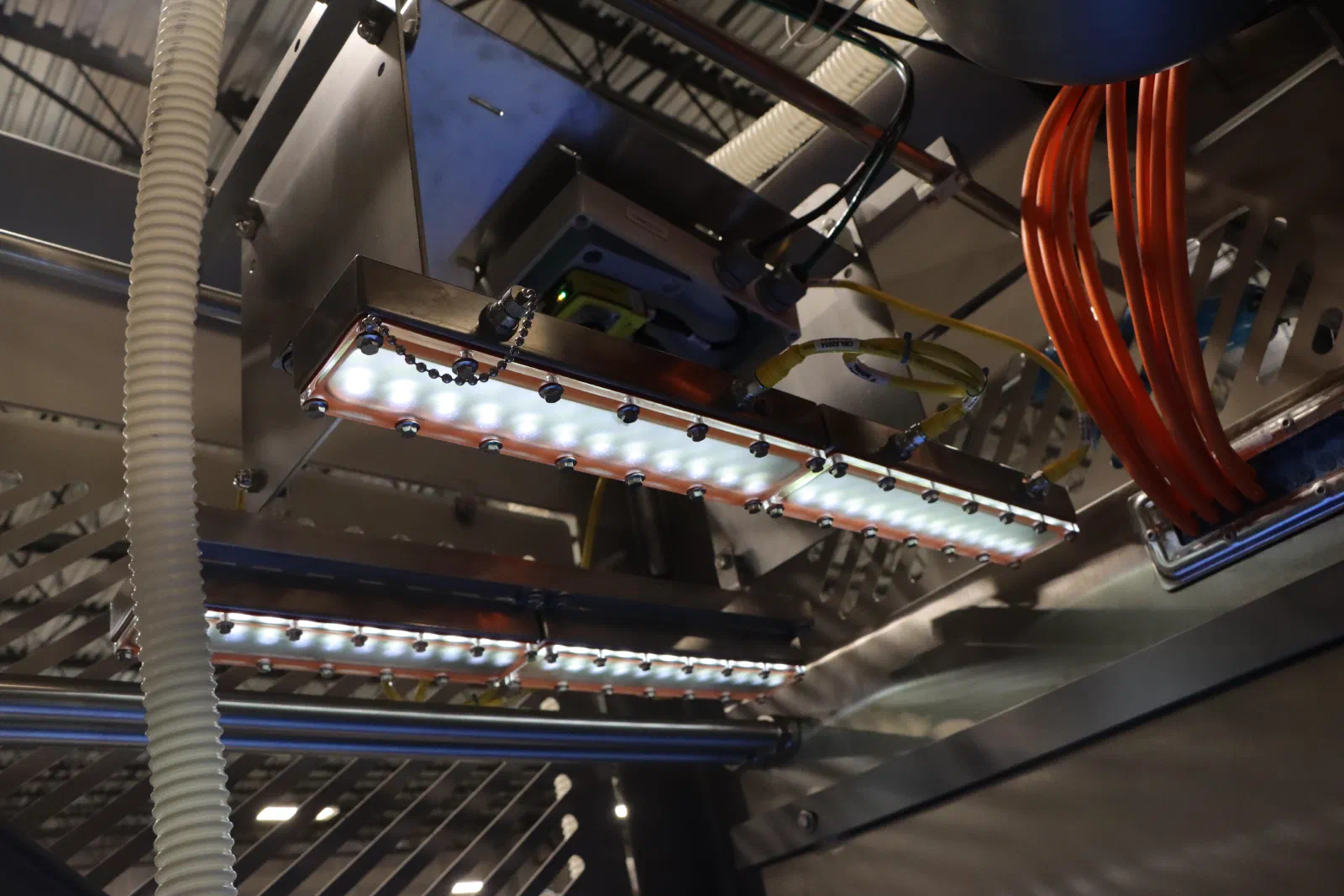
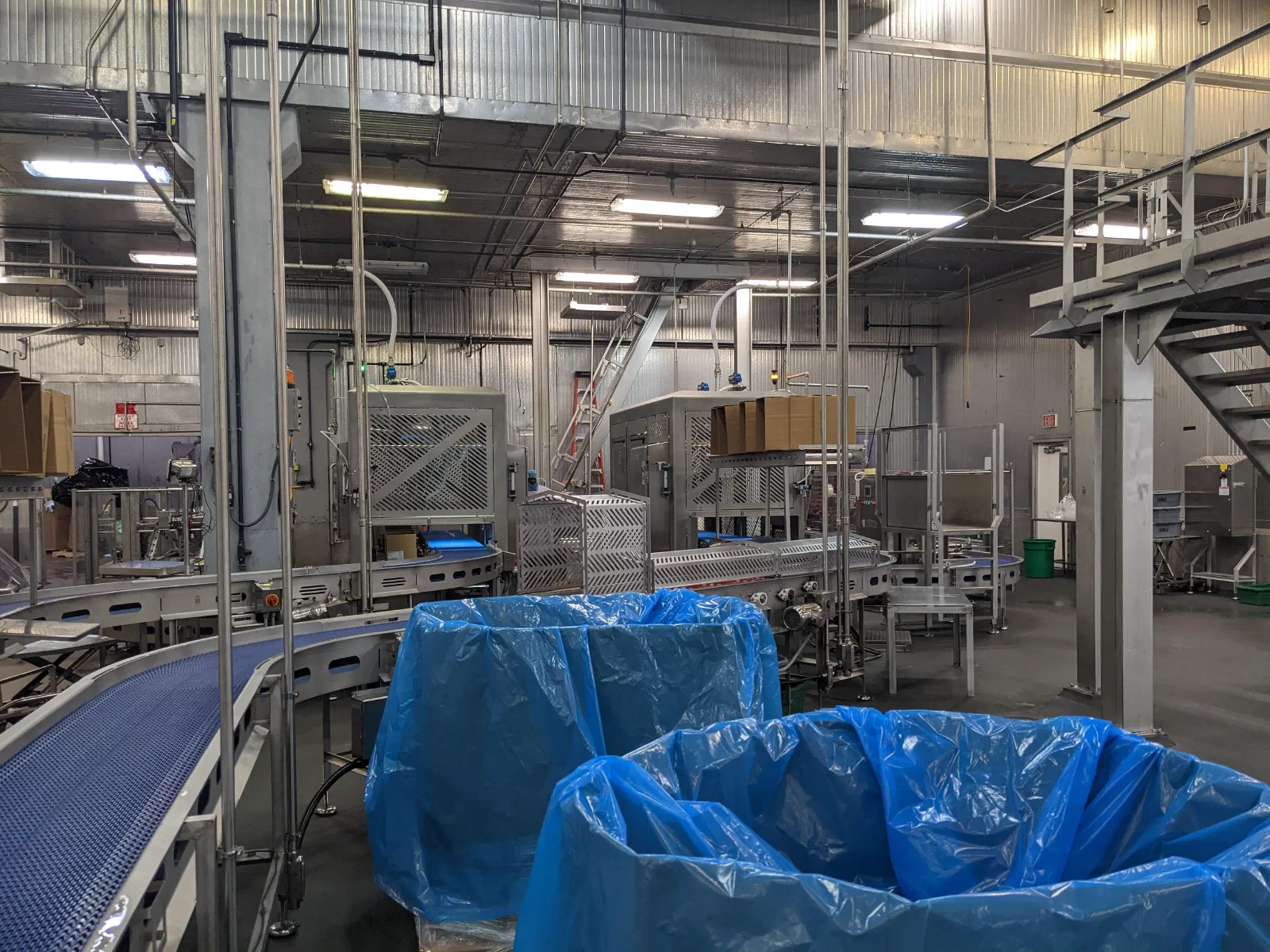
A frozen protein processor needed sealed bags of chicken loaded into cases without hand packing. Bags come off the customer’s baggers and X-ray line onto our infeed conveyor, where two dual-head robotic cells, four delta robots in all, pick them with vacuum tooling and load them into cases. The system handles roughly twenty bag sizes and pack patterns, from a single bulk bag to small multi-packs. As Systems Engineer, I worked between the tooling design, the vacuum system, the layout, and commissioning.
A shared vacuum system
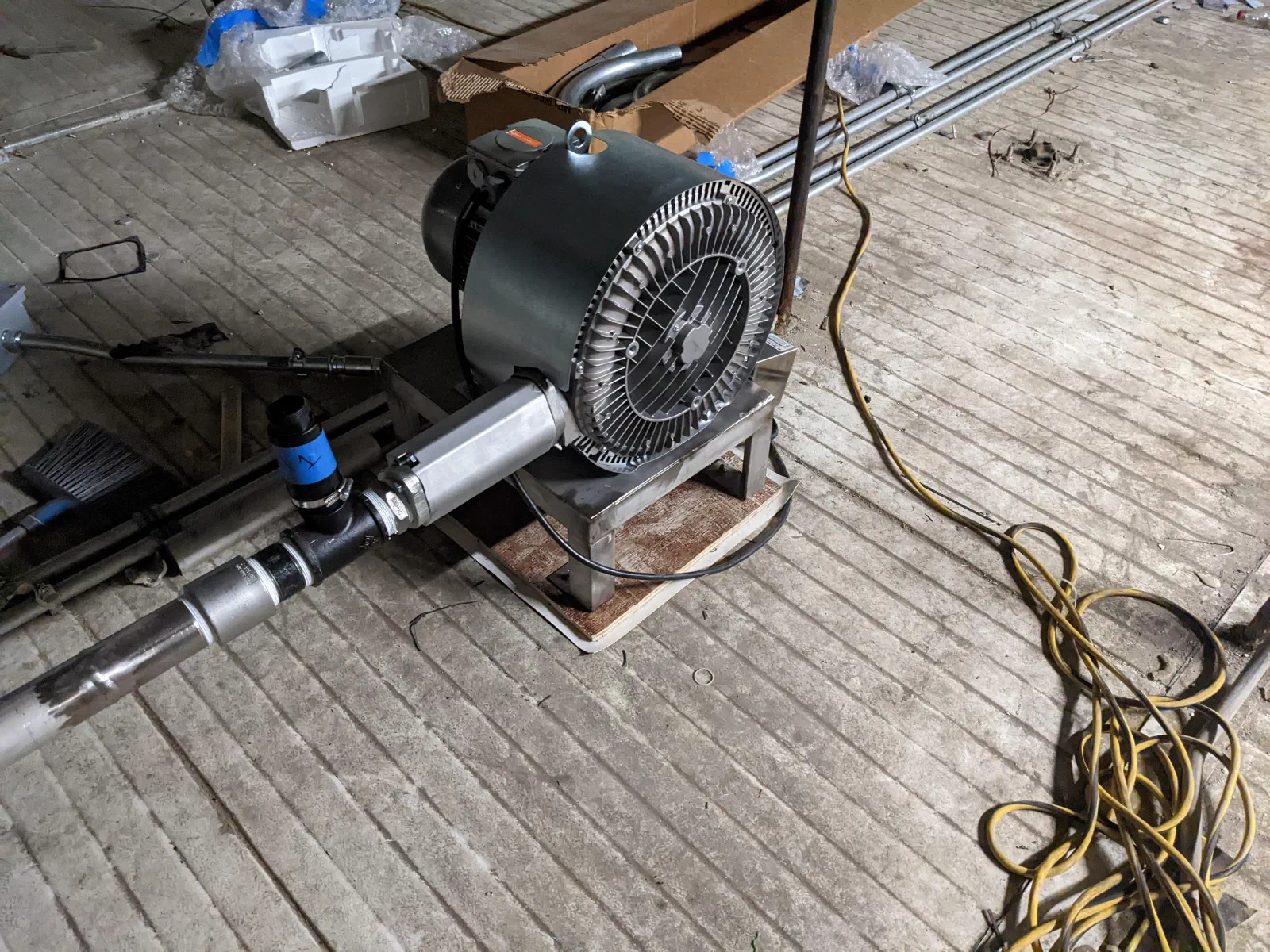
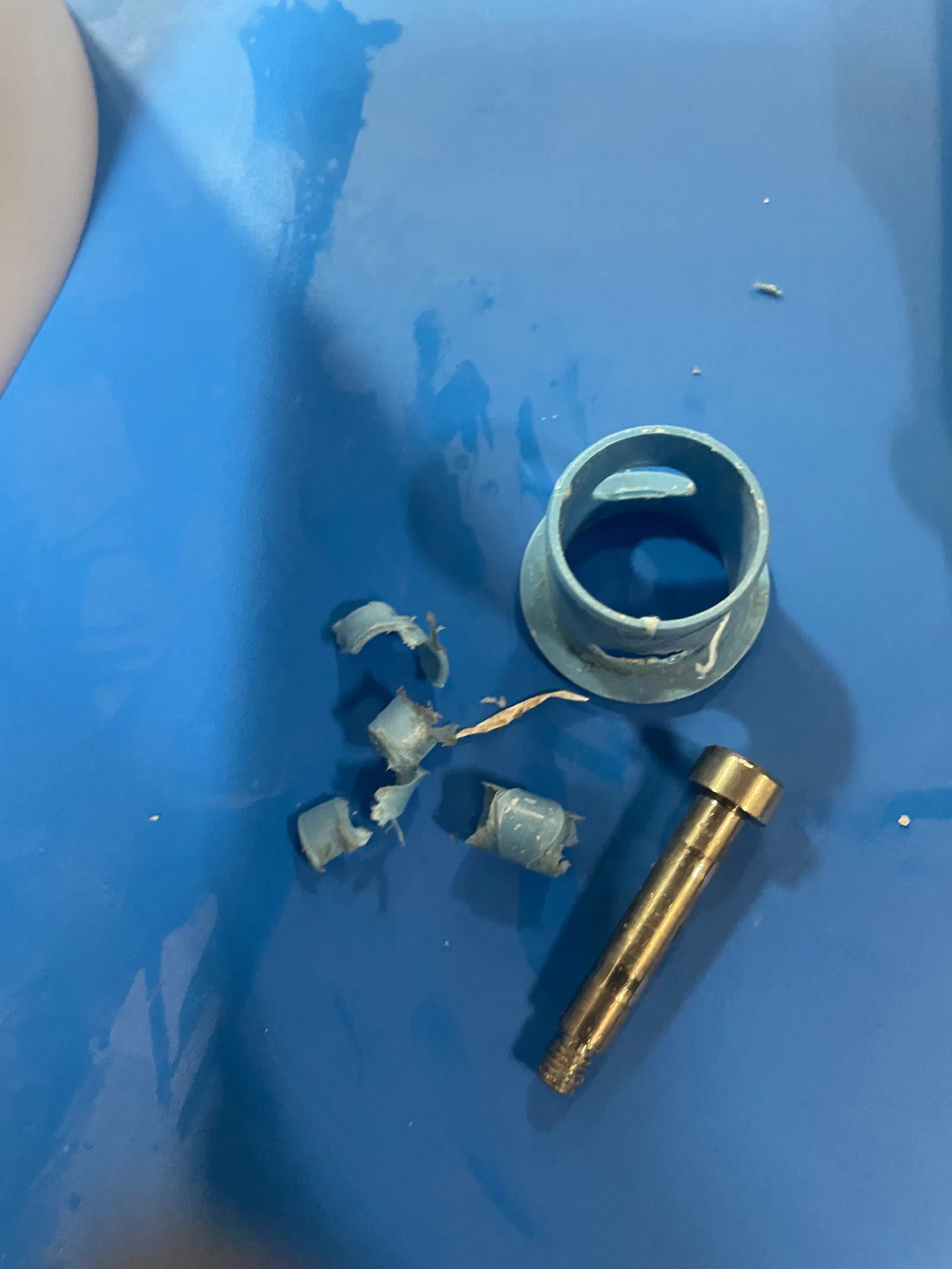
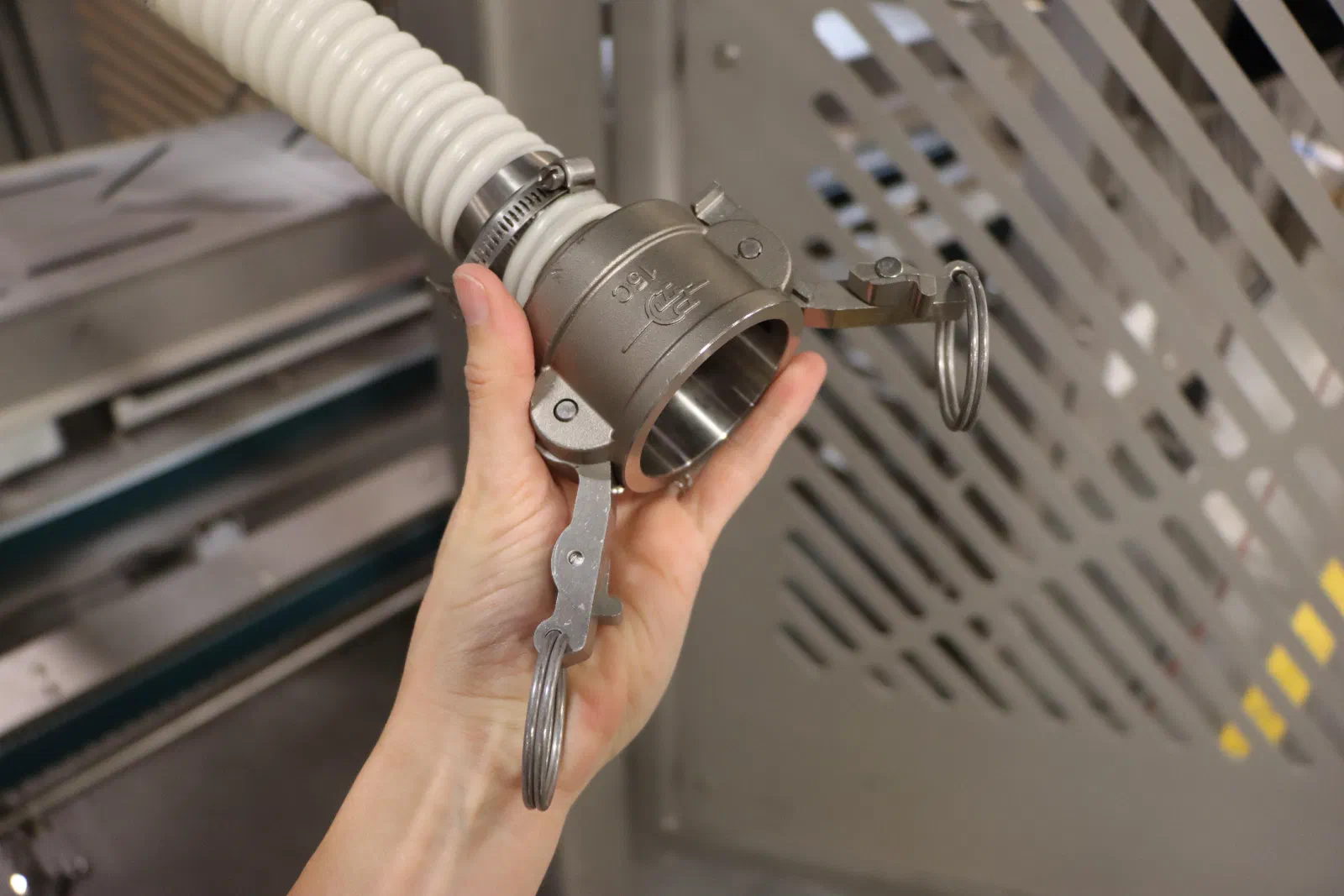
Picking bags at this scale takes a real air source, so we used a side-channel blower for each cell, plumbed through a filter and relief valve to the robots’ tools. Getting it right took a few rounds. Bag height varied enough that the original rigid tool stem crashed into product, so we replaced it with a spring-loaded, compliant stem. Then the bushings in that joint wore out quickly and started causing pick faults of their own. The valve we originally specified for the blower circuit also had a lead time of over twenty weeks, which forced a late switch to a ball valve that made clean product release harder to tune.
Opportunities and struggles
- Layout: The facility didn’t match the proposal layout by one full mezzanine column, which led to five layout revisions and conveyor rework before installation. I learned to check proposal layouts against the real building, with more photos from more angles, before handing them off.
- Tooling: Tearing down a compliant tool during pre-FAT to estimate its wear life would have caught the bushing problem before it reached the field.
- Purchasing: Check availability on specific components before designing around them, since a forced substitution mid-project rarely improves anything.
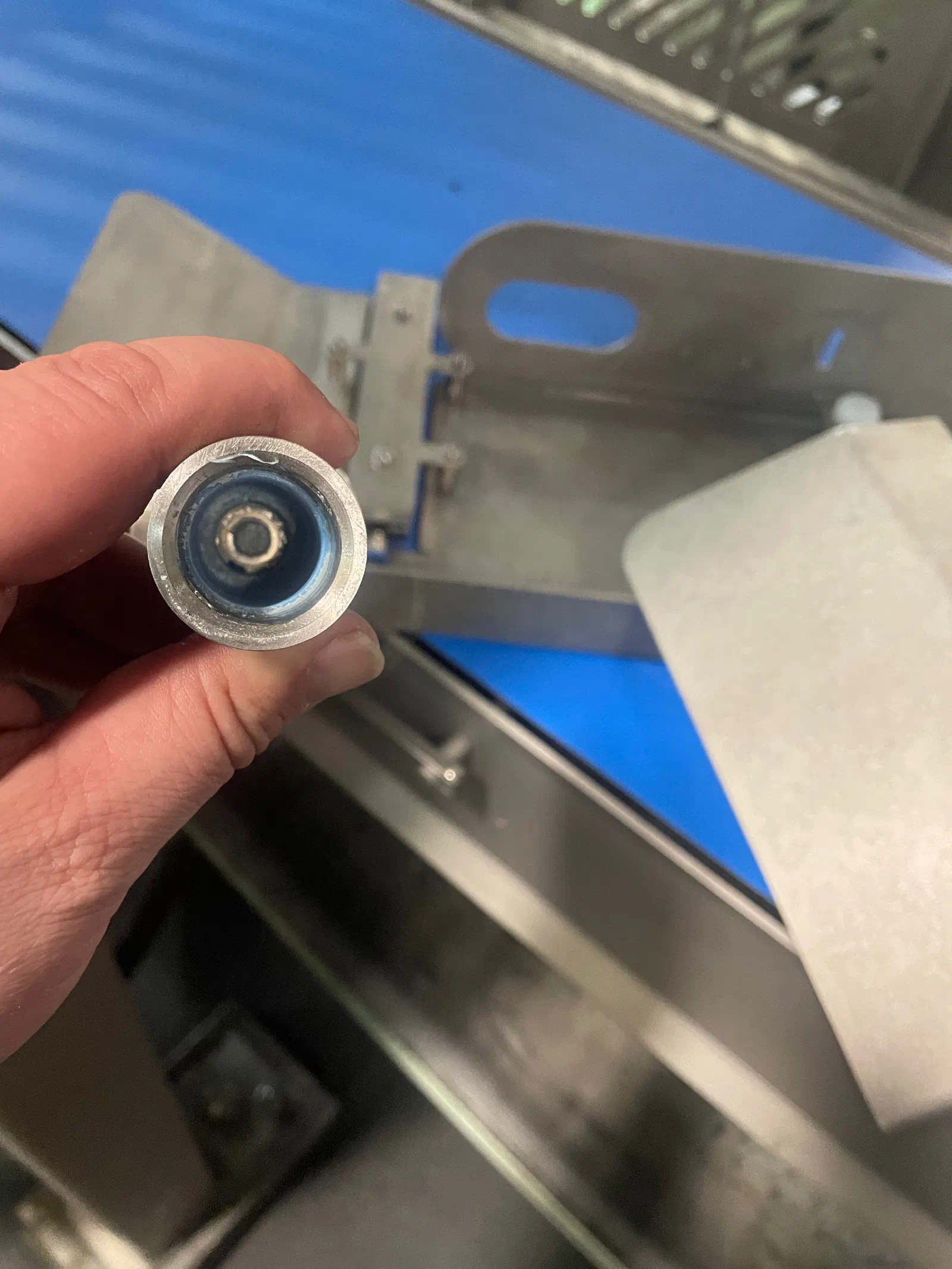
- Assembly: A drum motor mounted backwards during build didn’t fail until months after install. Where possible, I now design mounts so a part can only go in one way.
Even with these issues, the customer has been happy with the machines, and the program led to follow-on work with them.
Specific skills
- 2D machine layout drafting in DraftSight (AutoCAD)
- requirements capture and scope definition
- robotic cell configuration and layout design
- machine vision integration
- pneumatic and vacuum system design
- cross-discipline coordination
- commissioning and factory acceptance testing
- root-cause troubleshooting and field support
- sanitary and washdown design requirements in food production