Hot Sauce Bottle Case Loading Robot
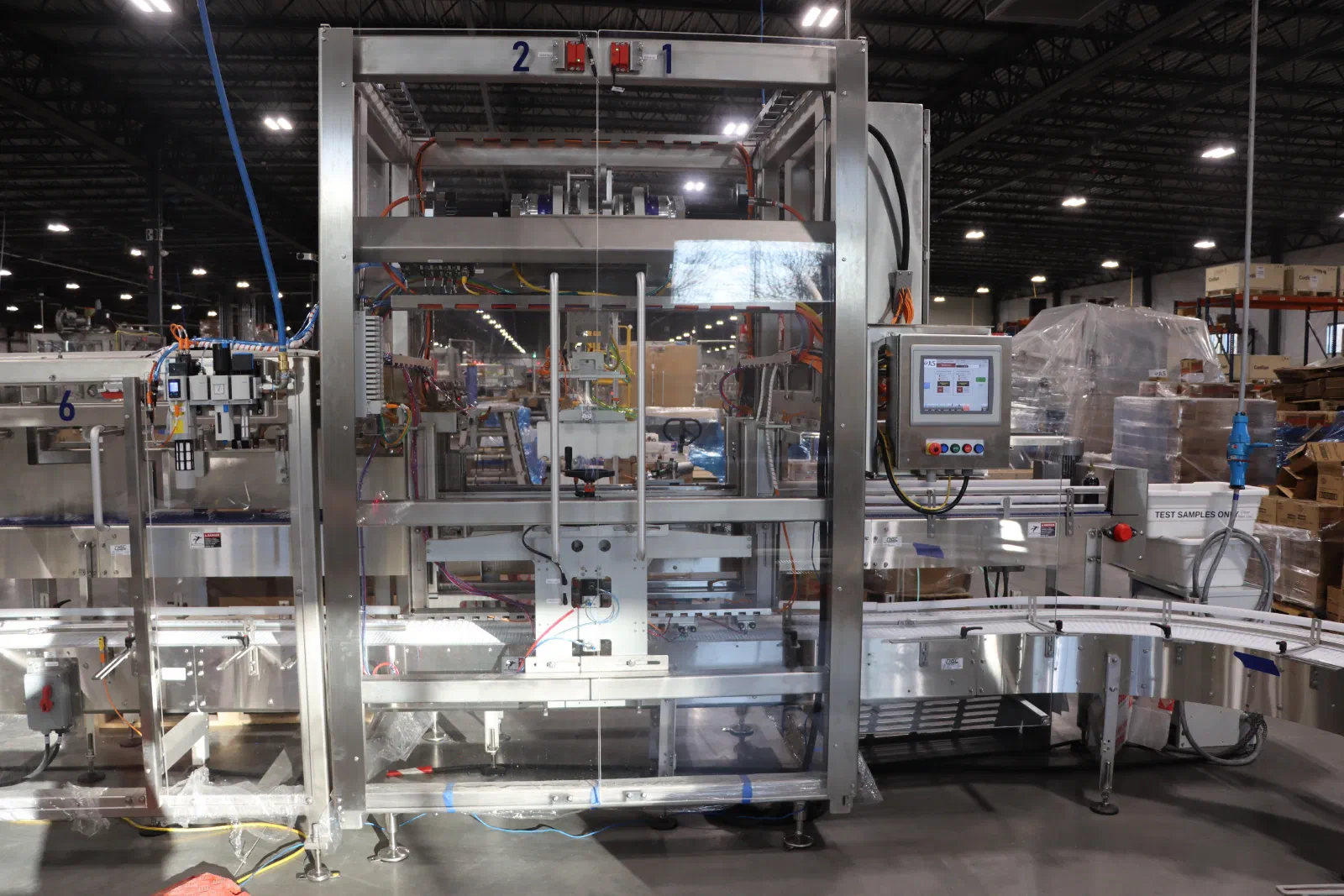
A robotic case packer for nine bottle and case formats, which I took over mid-project after an acquisition and carried through acceptance.
- Employer
- JLS Automation
- Role
- Systems Engineer, took over mid-project
- Industry
- Specialty food (bottled sauce)
- Period
- Nov 2023 to Dec 2024
- Scale
- One two-axis robotic cell running nine recipes across seven bottle and case formats, at roughly 15 to 120 bottles per minute
Nine recipes, seven bottle formats
This cell case-packs bottled hot sauce for a specialty food producer. Filled and labeled bottles arrive single file, a servo-driven divider arranges them into rows, and a two-axis robot picks each row and loads it into a case from the customer’s existing case erector. The cell runs nine recipes across seven bottle formats, from one-gallon jugs down to eight-ounce bottles, each with its own case pattern and interchangeable pick tool.
The one I inherited
JLS had acquired another automation company, and this job was a commitment that company had already made to the customer. I took over as Systems Engineer partway through, with delivery already promised, and carried it through commissioning and acceptance under JLS’s engineering standards.
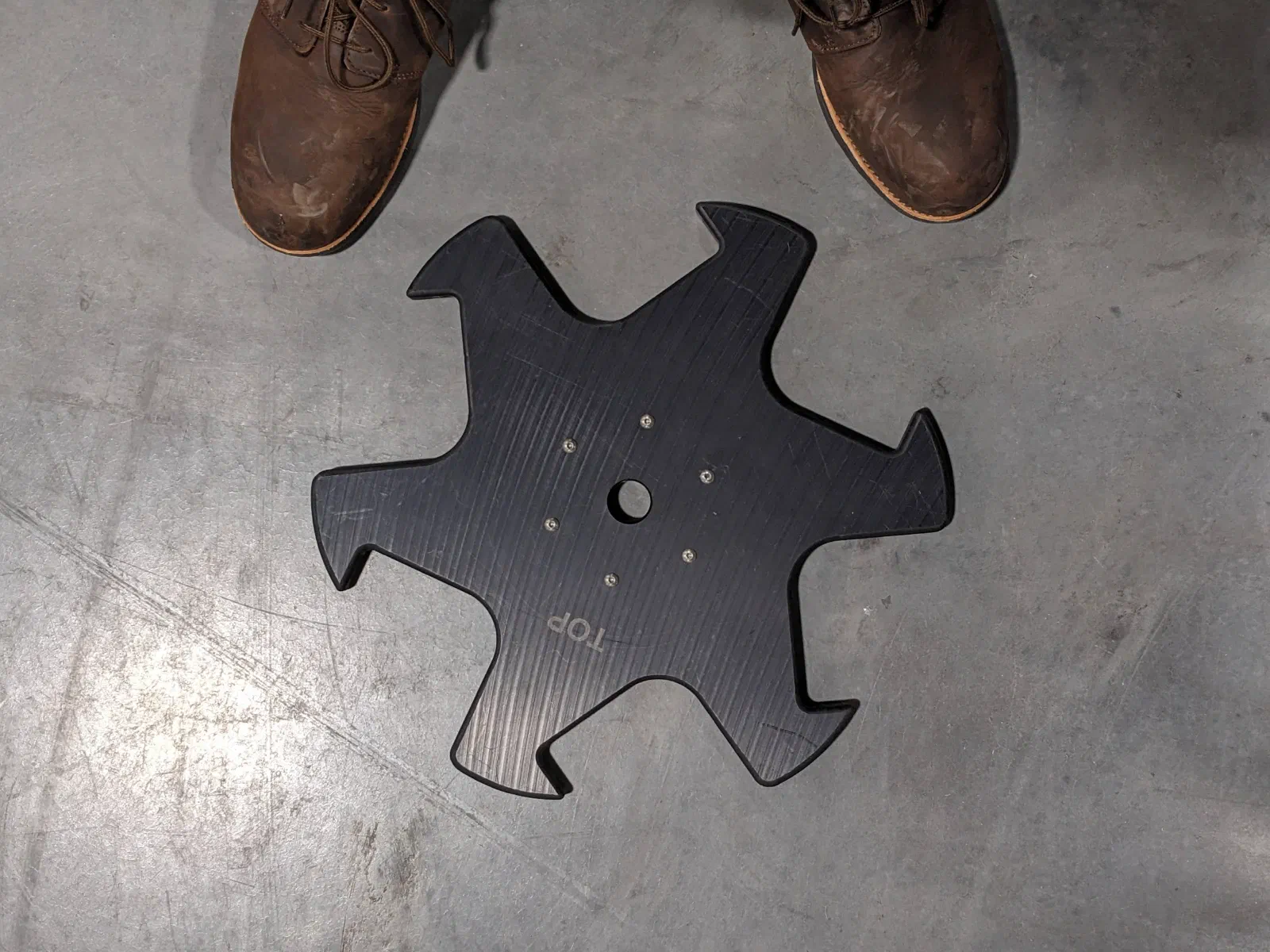
The original scope included glass gallon bottles, and every tooling attempt either broke the bottle or couldn’t hold it securely. We eventually dropped glass from the robotic scope and routed it to a manual pack station, which wasn’t a decision to take lightly on something the customer had already bought. I also had to rework parts of the inherited design, including a vendor-built star wheel with bad detent geometry that we redesigned in-house, and a bottle counting sensor that went through laser and ultrasonic versions before a side-of-cap method finally worked.
Opportunities and struggles
- Scope: Don’t sell a challenging capability before it has been tested. Glass gallon picking should have been proven or ruled out before it was quoted.
- Continuity: Several systems engineers and project managers cycled through this program early, and each handoff lost some history. A program that changes hands needs someone willing to own that continuity personally.
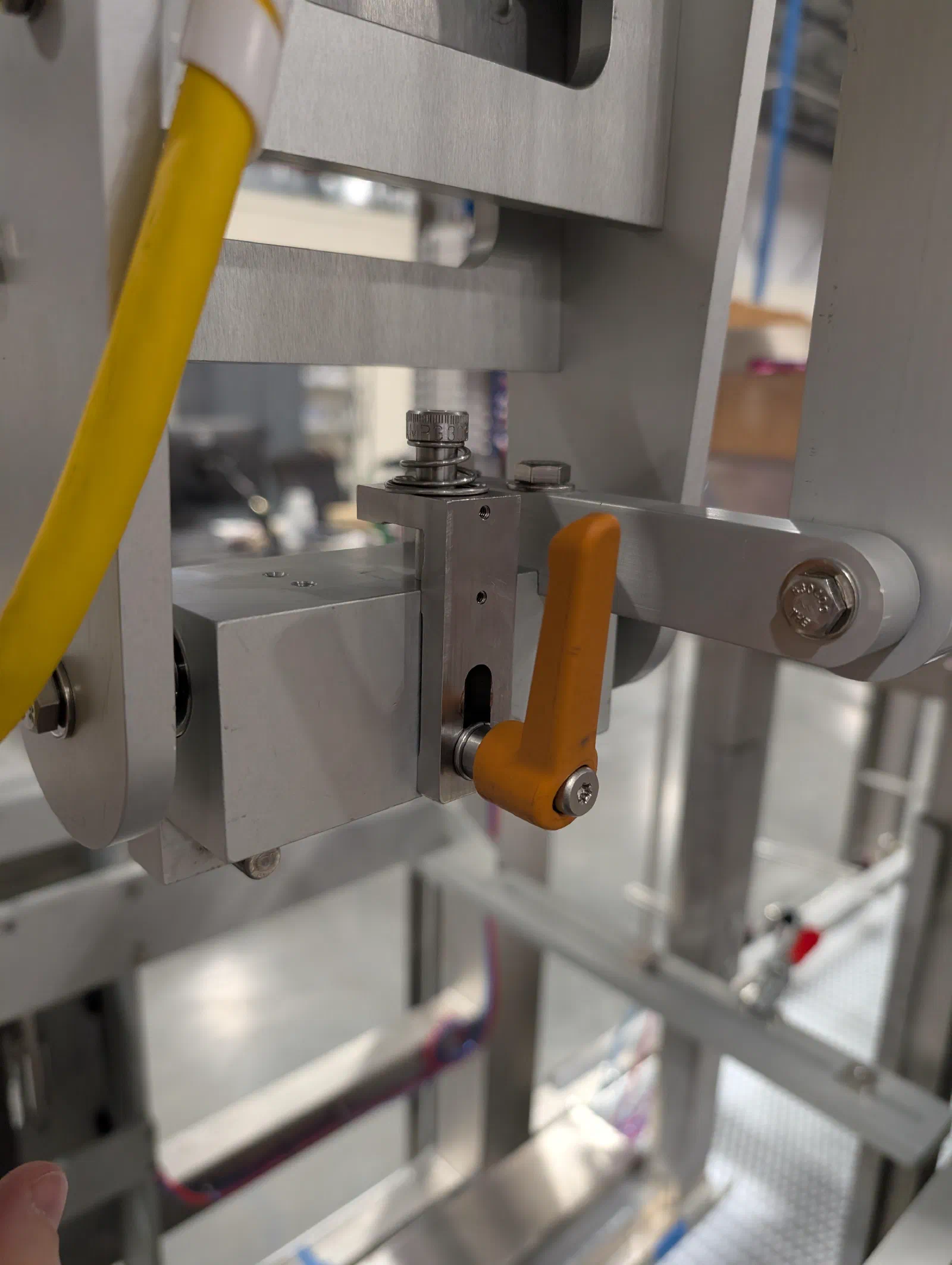
- Tooling: More than one tool passed a basic pick test and then failed under a real motion profile, so I test tooling through every motion it will make in production. One tool also fell off the robot during acceptance testing, and we added a locking mechanism so it physically can’t happen again.
Specific skills
- 2D machine layout drafting in DraftSight (AutoCAD)
- requirements capture and scope definition
- robotic cell configuration and layout design
- program transition and legacy scope ownership
- end-of-arm tooling development
- cross-discipline coordination
- commissioning and factory acceptance testing
- sanitary and washdown design requirements in food production